
TESTI CRITICI E INTERVISTE
CRITICAL TEXTS & INTERVIEWS
AATONAU
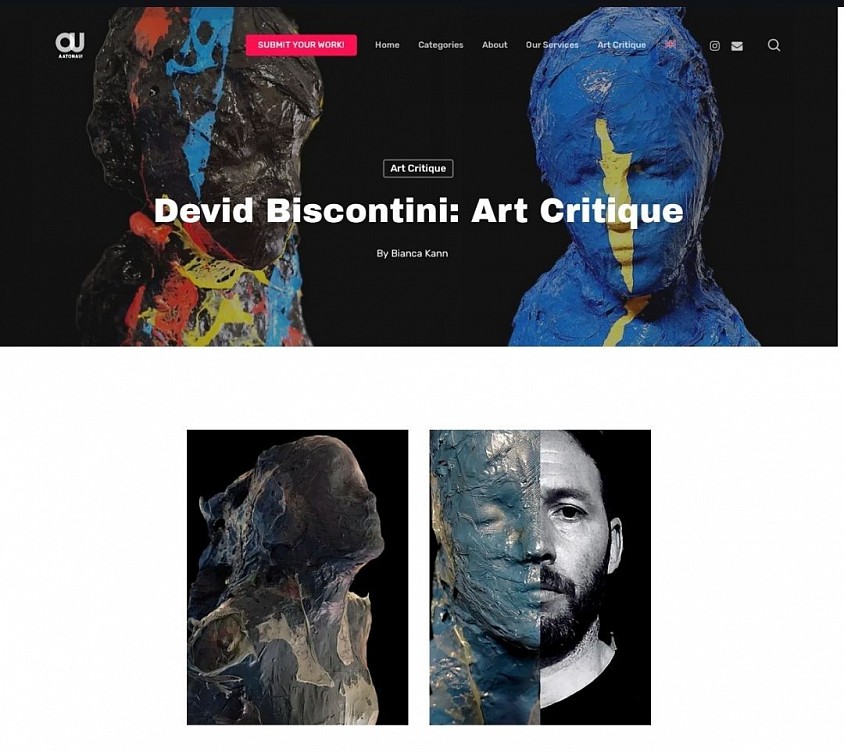
Matter Before Representation
Testo critico di Bianca Kann
AATONAU, 2 luglio 2026 — aggiornato il 9 luglio 2026
Bianca Kann interprets Devid Biscontini’s sculptures as sites of tension between industrial matter, body, and memory. Fused, torn, and layered surfaces transform plastic into skin, trace, and presence. The text also examines MATRICE, exploring the relationship between image, reality, and matter, while warning against allowing the theoretical framework to prevail over the visual autonomy of the works.
Bianca Kann interpreta le sculture di Devid Biscontini come luoghi di tensione tra materia industriale, corpo e memoria. Le superfici fuse, lacerate e stratificate trasformano la plastica in pelle, traccia e presenza. Il testo approfondisce inoltre MATRICE, evidenziando il rapporto tra immagine, realtà e materia, ma avverte anche del rischio che il sistema teorico possa prevalere sull’autonomia visiva delle opere.
Il testo integrale è pubblicato nel profilo dell’artista su Arte Laguna World.
Falso Trompe-l’Oeil
Testo critico di Giuliano Serafini 2024
Giuliano Serafini examines Devid Biscontini’s research within the history of material painting and experimentation with unconventional media. Industrial plastic, transformed through flame and heat, becomes pictorial matter and the site of a continuous tension between control and chance. Serafini describes the result as a “false trompe-l’œil”, in which the material’s artificial nature generates surfaces of strong visual impact.
Giuliano Serafini analizza la ricerca di Devid Biscontini nel contesto della pittura materica e della sperimentazione con materiali non convenzionali. La plastica industriale, trasformata attraverso fiamma e calore, diventa materia pittorica e luogo di una continua tensione tra controllo e casualità. Il critico definisce il risultato un “falso trompe-l’œil”, nel quale la natura artificiale del materiale genera superfici di forte impatto visivo.
AATONAU
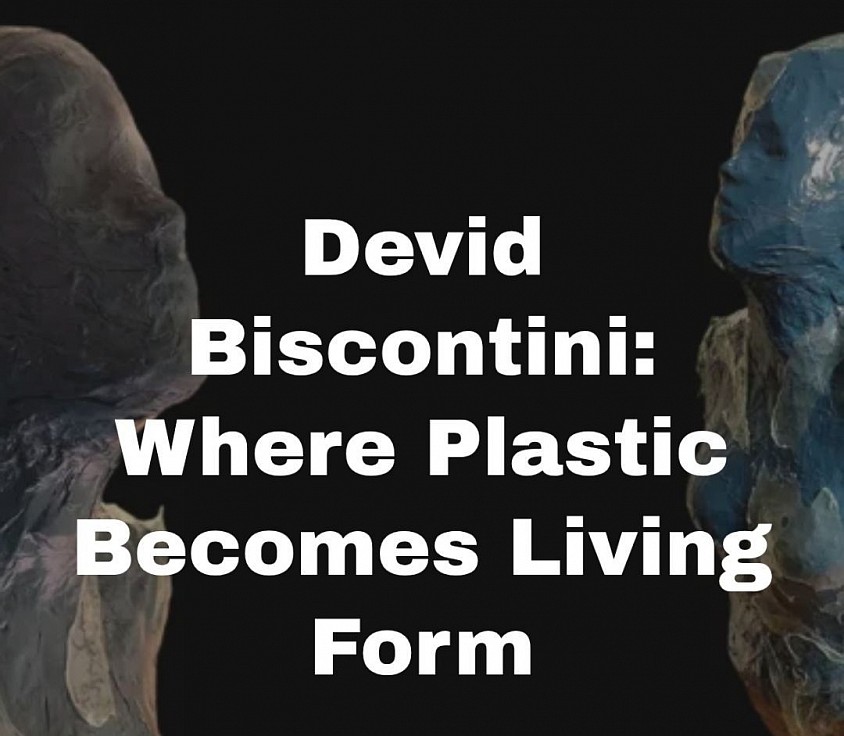
Devid Biscontini: Where Plastic Becomes Living Form
Testo editoriale di Angela Li
AATONAU, 10 giugno 2026
Angela Li examines how Devid Biscontini removes industrial plastic from its original function, transforming it into a sensitive and unstable surface. The text considers the relationship between gesture, heat, colour, and material behaviour, connecting the artist’s research to the body, memory, and post-organic presence. Technique is presented not as a simple procedure but as a constitutive element of the image.
Angela Li approfondisce il modo in cui Devid Biscontini sottrae la plastica industriale alla sua funzione originaria, trasformandola in una superficie sensibile e instabile. Il testo analizza il rapporto tra gesto, calore, colore e comportamento della materia, collegando la ricerca dell’artista al corpo, alla memoria e alla presenza post-organica. La tecnica non viene descritta come semplice procedimento, ma come parte costitutiva dell’immagine.
Noire Journal
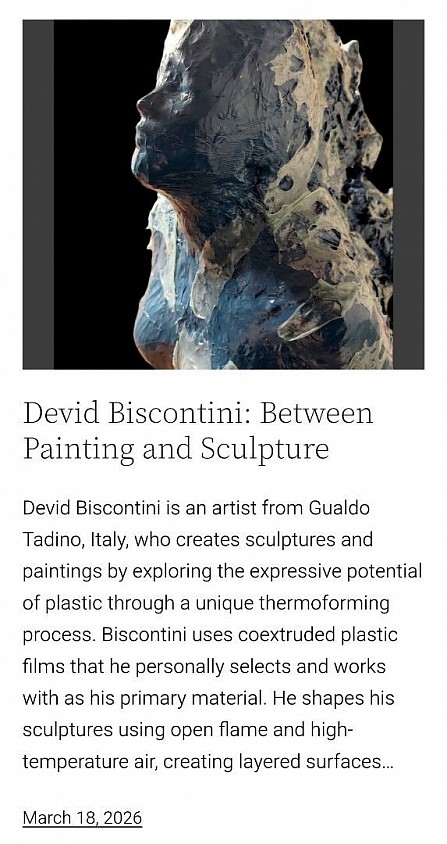
Devid Biscontini: Between Painting and Sculpture
Testo editoriale
Noire Journal, 18 marzo 2026
The text presents Devid Biscontini’s research as an investigation into the boundary between painting and sculpture. Through the thermoforming of co-extruded plastic films, flame produces fusions, ruptures, and chromatic layers. Industrial material acquires an organic and painterly quality, creating a tension between the artificial and the natural while questioning traditional artistic categories.
Il testo presenta la ricerca di Devid Biscontini come un’indagine sul confine tra pittura e scultura. Attraverso la termoformatura di film plastici coestrusi, la fiamma produce fusioni, lacerazioni e stratificazioni cromatiche. Il materiale industriale assume così una qualità organica e pittorica, generando una tensione tra artificiale e naturale e mettendo in discussione le categorie tradizionali dell’opera.
INTERVISTE / INTERVIEWS
A selection of interviews exploring Devid Biscontini’s artistic research, his relationship with matter, and the transformation of industrial plastic film through heat and open flame. The conversations examine his creative process, the body, the image, and the development of his recent projects.
Una selezione di interviste dedicate alla ricerca artistica di Devid Biscontini, al suo rapporto con la materia e alla trasformazione del film plastico industriale attraverso calore e fiamma. Le conversazioni approfondiscono il processo creativo, il corpo, l’immagine e lo sviluppo dei progetti più recenti.
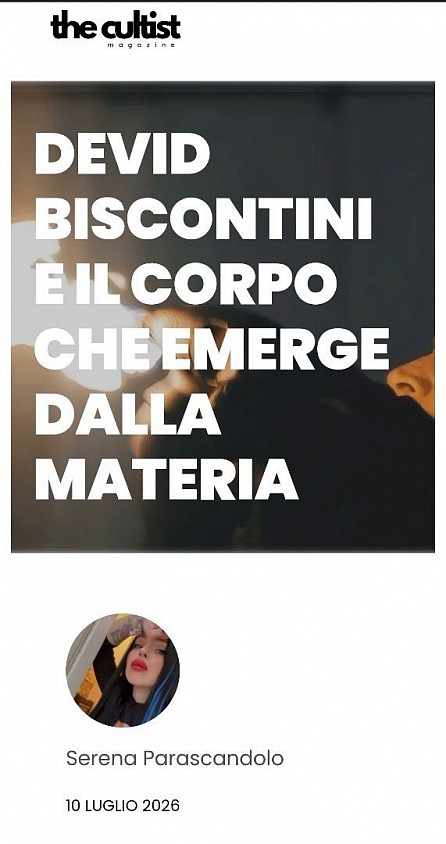
The Cultist Magazine
Serena Parascandolo enters the core of Devid Biscontini’s recent research, examining the relationship between transformation, body, image, and matter. The conversation considers the recurring female figure, the risk of reducing the body to a symbol, and the possibility that the technical process may prevail over the meaning of the work. At the centre of the interview is MATRICE, a project in which the body is not represented as a defined figure but emerges from the transformation of matter as a presence still taking form.
Intervista di Serena Parascandolo
The Cultist Magazine, 10 luglio 2026
Serena Parascandolo entra nel nucleo della ricerca recente di Devid Biscontini, interrogando il rapporto tra trasformazione, corpo, immagine e materia. La conversazione affronta il ritorno alla figura femminile, il rischio di ridurre il corpo a simbolo e la possibilità che il processo tecnico prevalga sul contenuto dell’opera. Al centro dell’intervista emerge MATRICE, progetto nel quale il corpo non viene rappresentato come una figura definita, ma affiora dalla trasformazione della materia come presenza ancora in formazione.
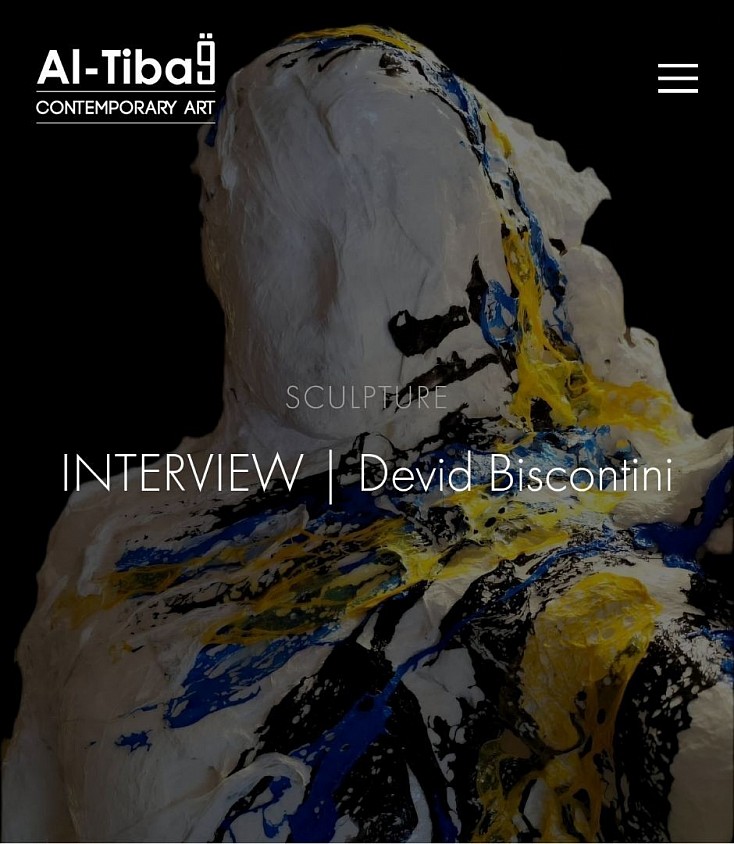
Al-Tiba9 Contemporary Art
10 Questions with Devid Biscontini
Al-Tiba9 Contemporary Art, 3 aprile 2026
Devid Biscontini retraces the origins of his research into industrial plastic and the development of a language between painting and sculpture. The interview explores transformation through heat and open flame, the relationship between control and unpredictability, and his independent artistic formation. Industrial matter becomes a medium through which form and image can emerge
Devid Biscontini ripercorre l’origine della propria ricerca sulla plastica industriale e lo sviluppo di un linguaggio tra pittura e scultura. L’intervista approfondisce la trasformazione mediante calore e fiamma, il rapporto tra controllo e imprevedibilità e la formazione indipendente dell’artista. La materia industriale diventa un mezzo attraverso cui forma e immagine possono emergere.
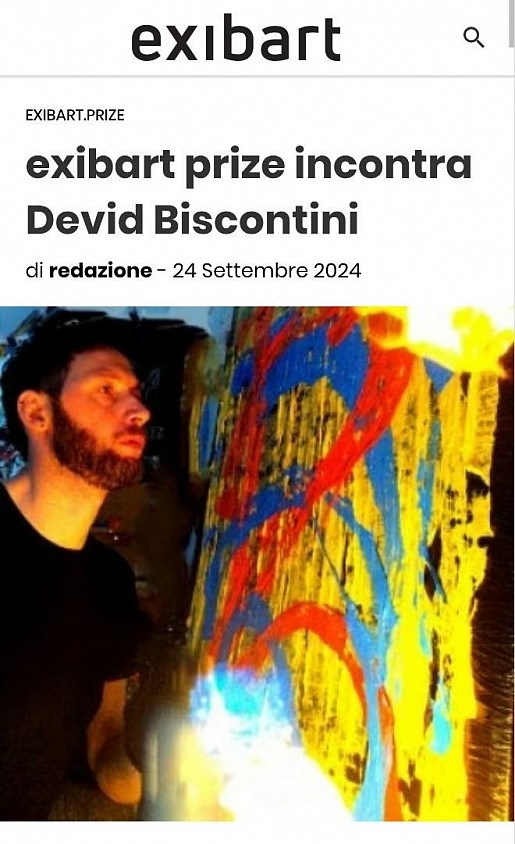
Exibart Prize incontra Devid Biscontini
Intervista a cura della redazione
Exibart, 24 settembre 2024
In this Exibart Prize interview, Devid Biscontini retraces the origins of his artistic research and the independent path that led him to adopt industrial plastic film as his primary material. The conversation explores the transformation of matter through heat and flame, the role of colour, the relationship with the public, and the presence of the female body in the works presented at Milano Scultura 2024. The artist also reflects on creative freedom, the art market, and the integrity of artistic research.
Nell’intervista per Exibart Prize, Devid Biscontini ripercorre la nascita della propria ricerca e il percorso indipendente che lo ha condotto a individuare nel film plastico industriale il materiale centrale del suo lavoro. La conversazione affronta la trasformazione della materia attraverso calore e fiamma, il ruolo del colore, il rapporto con il pubblico e la presenza del corpo femminile nelle opere presentate a Milano Scultura 2024. L’artista riflette inoltre sul rapporto tra libertà creativa, mercato e integrità della ricerca.
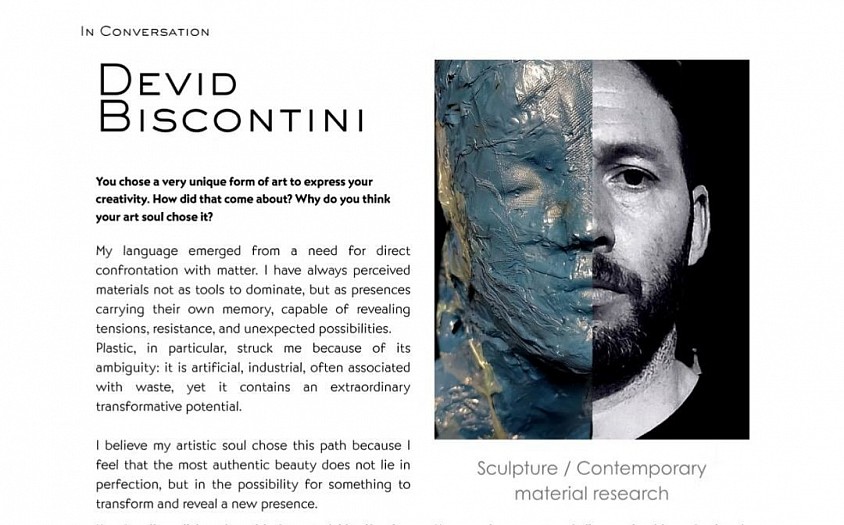
Soulcery — Art In Reply
Interview and Feature: Devid Biscontini
Intervista e approfondimento editoriale
Soulcery by Art In Reply, giugno 2026
The conversation examines the direct encounter between artist and matter. Devid Biscontini reflects on the action of flame and on form understood not as a predetermined result but as the consequence of a physical transformation. Gesture, resistance, and matter contribute to the emergence of the work, preserving the traces of the process that generated it.
La conversazione approfondisce il confronto diretto tra artista e materia. Devid Biscontini riflette sull’azione della fiamma e sulla forma intesa non come risultato predeterminato, ma come conseguenza di una trasformazione fisica. Gesto, resistenza e materia partecipano alla nascita dell’opera, conservando le tracce del processo che l’ha generata.